Why Your Couch Cushions Are Sagging (and What Can Be Done About It)
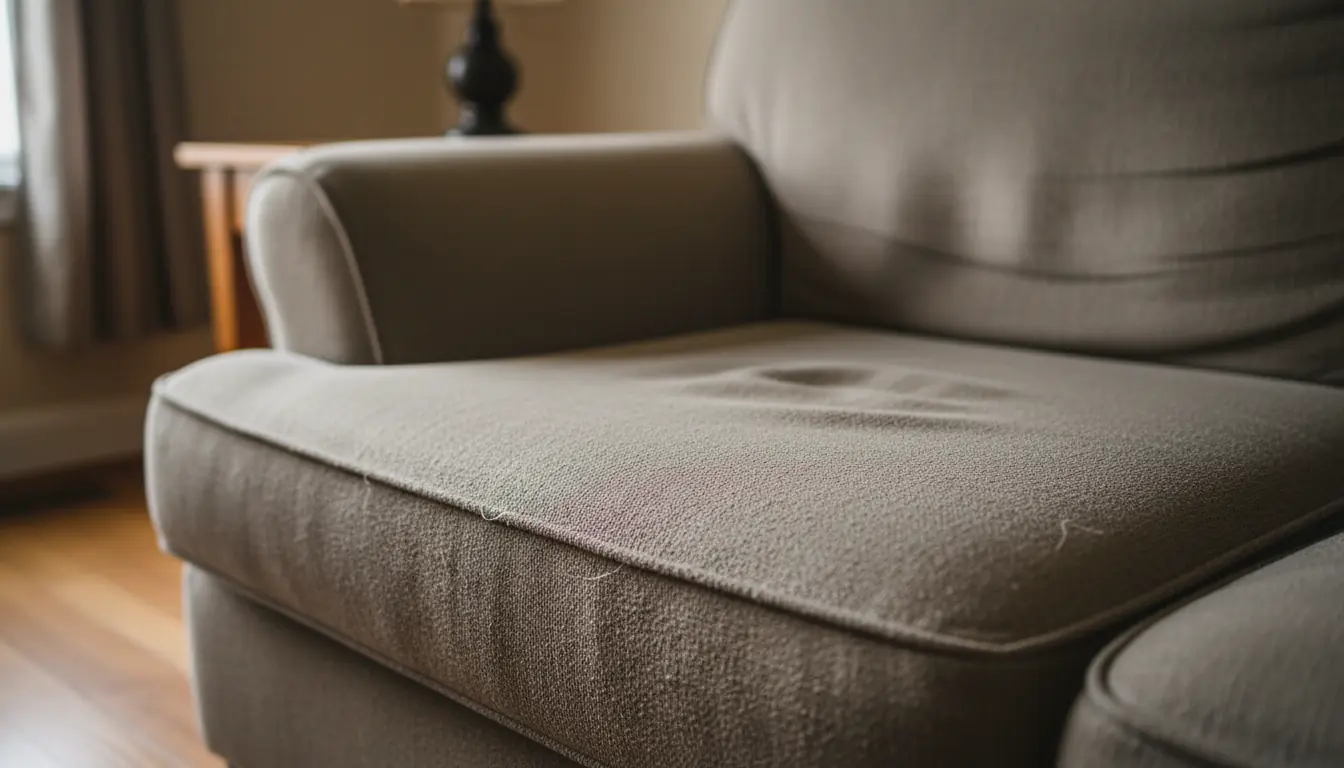
A sagging couch is one of the most common complaints we hear, and it's rarely as simple as "the couch is just old." Most of the time, something specific underneath the cushions has worn out, and it can often be fixed without replacing the whole piece.
What's actually causing the sag
Cushion foam breaks down over time and loses its bounce, especially with daily use. Springs can weaken or come loose from the frame. Support webbing, the material stretched across the base of the couch under the cushions, can stretch out or tear completely. Any one of these on its own can make a couch feel like it's lost its shape, even when the frame itself is still solid.
Why it's worth checking before replacing
Foam can be replaced. Springs can be re-secured or swapped out. Webbing can be restretched or replaced entirely. In most cases, these are contained repairs that don't touch the frame or upholstery at all. Replacing a whole couch over sagging cushions often means solving a small problem with a big expense.
What to look for
If one side sags more than the other, that usually points to a spring or webbing issue on that specific side. If the whole seat has gone flat evenly across the board, that points more toward worn foam. Either way, it's worth getting a second opinion before assuming the couch is a lost cause.
Getting it looked at
Our team can inspect the couch, walk you through exactly what's going on underneath, and lay out what it'll take to get it feeling like new again. If it turns out to be a straightforward fix, the inspection fee is credited toward the repair.